


 AAPL Solutions Pvt. Ltd.
Gold
Who Makes Delhi’s Giant Ravana Effigies?
Every year, Titarpur’s artisans build giant Ravana effigies for Dussehra. But behind this tradition, families face seasonal income and rising production costs.
Meet the Artisans of Titarpur
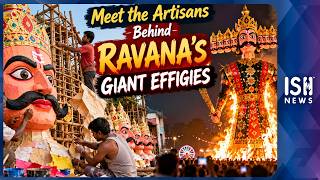
Every Dussehra, people gather to watch giant effigies of Ravana burn. But behind these towering figures are artisans who spend weeks building them by hand.
In Titarpur, West Delhi, families have been making Ravana effigies for generations. Their work combines traditional skills, creativity and teamwork. It also provides seasonal income for many artisans.
How Ravana Effigies Are Made
Artisans begin preparing for Dussehra weeks before the festival. They first build a frame using bamboo sticks and wire. They then cover the frame with cloth and paper before adding colour and decorations. The final steps include painting Ravana’s face, shaping his features and adding details such as crowns, moustaches and colourful designs. The height and design of each effigy depend on the customer's order.
Some effigies are several metres tall and require a team of workers to complete. The work involves careful planning and long hours, especially as the festival approaches.
A Traditional Craft Passed Down Through Generations
For many families in Titarpur, effigy-making is more than temporary festival work. It is a skill passed from parents to children. Young family members often learn by watching older artisans work. Over time, they develop the skills needed to shape bamboo, prepare the faces, paint the figures and assemble the different parts.
Titarpur has become well known for its Ravana effigy market. Artisans make figures of different sizes for Dussehra celebrations and other events. Their work helps keep this traditional craft alive.
The Challenges Behind Seasonal Earnings
Making an effigy requires money for raw materials, labour and transport. Artisans must also complete orders before Dussehra, leaving them with limited time to finish their work.
Reported prices vary according to the height and design of an effigy. Some reports have quoted prices of around Rs.500 to Rs.700 per foot. A 25–30-foot effigy may sell for approximately Rs.15,000 to Rs.18,000, depending on the order and materials used. However, the selling price is not the same as an artisan’s earnings. Workers must pay for materials, labour and delivery. The amount left after these expenses depends on the cost of production and the number of orders received.
Weather can create additional problems. Rain may damage paper, paint and other materials before an effigy reaches its destination. Such damage can lead to financial losses, particularly when artisans have already spent money and time making the figures.
Demand also changes with the festival season. Once Dussehra is over, orders for these effigies usually decline. Some artisans return to other occupations until preparations begin again the following year.
The People Behind the Celebration
For many people, the burning of Ravana’s effigy represents the victory of good over evil. But before the celebration begins, artisans have already spent weeks turning simple materials into towering figures. Their work requires skill, patience and teamwork. It also supports families who depend on this seasonal trade.
This Dussehra, as we watch the effigies burn, let us remember the artisans whose hard work makes these celebrations possible.